Edge-to-enterprise technology
Follow the signal from asset to informed action.
See how the asset and edge layer, gateway connectivity, data and device management, and insight applications create one governed information path.
Request Services
A useful IoT architecture is not a single product. It is a coordinated system spanning the asset, the edge, communications, data management, integration and the applications that make information useful.
How does TiS3 connect legacy assets?
Start with the equipment and the information a team needs. A suitable device interface or sensor captures selected signals, an edge device prepares them, and a gateway moves them into a managed data path. The design depends on the asset and operating environment.
How does edge data reach enterprise systems?
Data and device management organize the incoming information. Approved integrations can then make it available to dashboards, alerts, and existing workflows. Operational technology (OT) means the equipment and control systems that run physical operations.
Interactive system architecture
Four layers. One path from asset to action.




Interactive architecture explorer
Trace the bridge from asset to action.
Select a layer to emphasize it. Every layer remains readable in the page and requires no hidden technical assumptions.
01 / Asset assessment
Define the equipment and operational question.
- What enters
- Physical condition or operating state
- What happens
- Identify supportable signals and constraints
- What comes out
- A bounded connection objective
- Related use cases
- Industrial equipment, generators, remote stations
02 / Sensor / edge role
Observe selected conditions at the asset.
- What enters
- Approved sensing or control points
- What happens
- Collect and prepare project-approved signals
- What comes out
- Structured edge data
- Related use cases
- Temperature, vibration, power, door state
03 / Gateway / network role
Bridge field signals into a managed data path.
- What enters
- Selected edge data
- What happens
- Connect, translate, buffer, and transport as designed
- What comes out
- Managed network data
- Related use cases
- Distributed assets and constrained sites
04 / Data + device management
Manage device context and prepare data for use.
- What enters
- Managed field data
- What happens
- Organize, govern, integrate, and expose approved data
- What comes out
- Usable device and event context
- Related use cases
- Fleet views, trends, integrations
05 / Analytics and applications
Put operating context in front of the right team.
- What enters
- Approved device and event context
- What happens
- Visualize, analyze, alert, or initiate a workflow
- What comes out
- A clearer decision or next action
- Related use cases
- Status, exception, trend, readiness support
Security and governance span every layer. Identity and reliability also span the path. Exact controls and approvals are deployment-specific; no current authorization is claimed.
Follow the signal
Five visible steps from asset to informed action.
Each visual marks a distinct role in the path. The implementation details remain specific to the asset, environment, and approved operating boundary.
 01
Physical assets
Begin with the equipment, operating environment, and information the team needs.
- 02
Sensors and edge devices
Capture and prepare selected project-approved signals close to the asset.
- 03
Secure gateways and networks
Bridge useful field data into a managed connectivity path designed for the site.
 04
IoT platforms
Organize device context, govern incoming data, and prepare approved integrations.
- 05
Analytics, insights, and operational action
Present status, trends, and exceptions to the authorized people and systems that act.
From legacy asset to operational action
Legacy asset
Begin with equipment that was not designed to report useful condition data.
SensorPak / edge
Capture selected inputs at the edge and prepare useful signals close to the asset.

3D rendering for TiS3
03Secure gateway
Move approved field signals into a managed network path designed for the site.
IoT platform
Organize device context, govern incoming data, and prepare approved integrations.
Operational action
Present status, trends, and exceptions to the authorized people and systems that act.
Layer responsibilities
The role of each technology layer.
Conceptual renderings ground the physical layers while the system model explains what happens to the data next.
- Asset / Edge
- Sensing and local processing at a legacy or distributed asset.
- Gateway / network
- A managed bridge between selected field signals and the platform data path.
- Data & device management
- Provisioning, device context, data preparation, integration, and lifecycle functions.
- Insights & applications
- Dashboards, alerts, analytics, workflows, and decision tools appropriate to the environment.
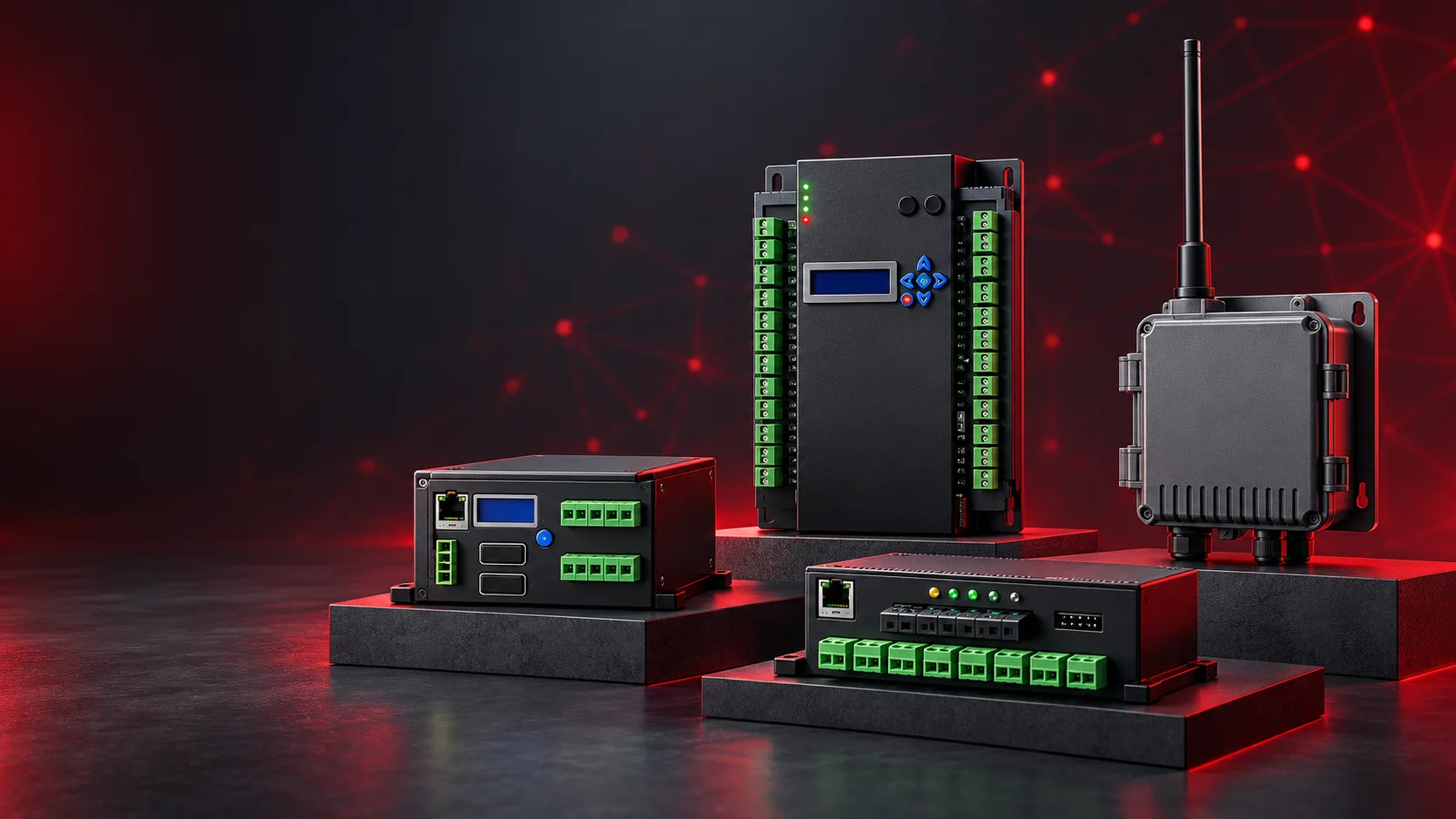
Hardware concepts
Explore hardware concepts.
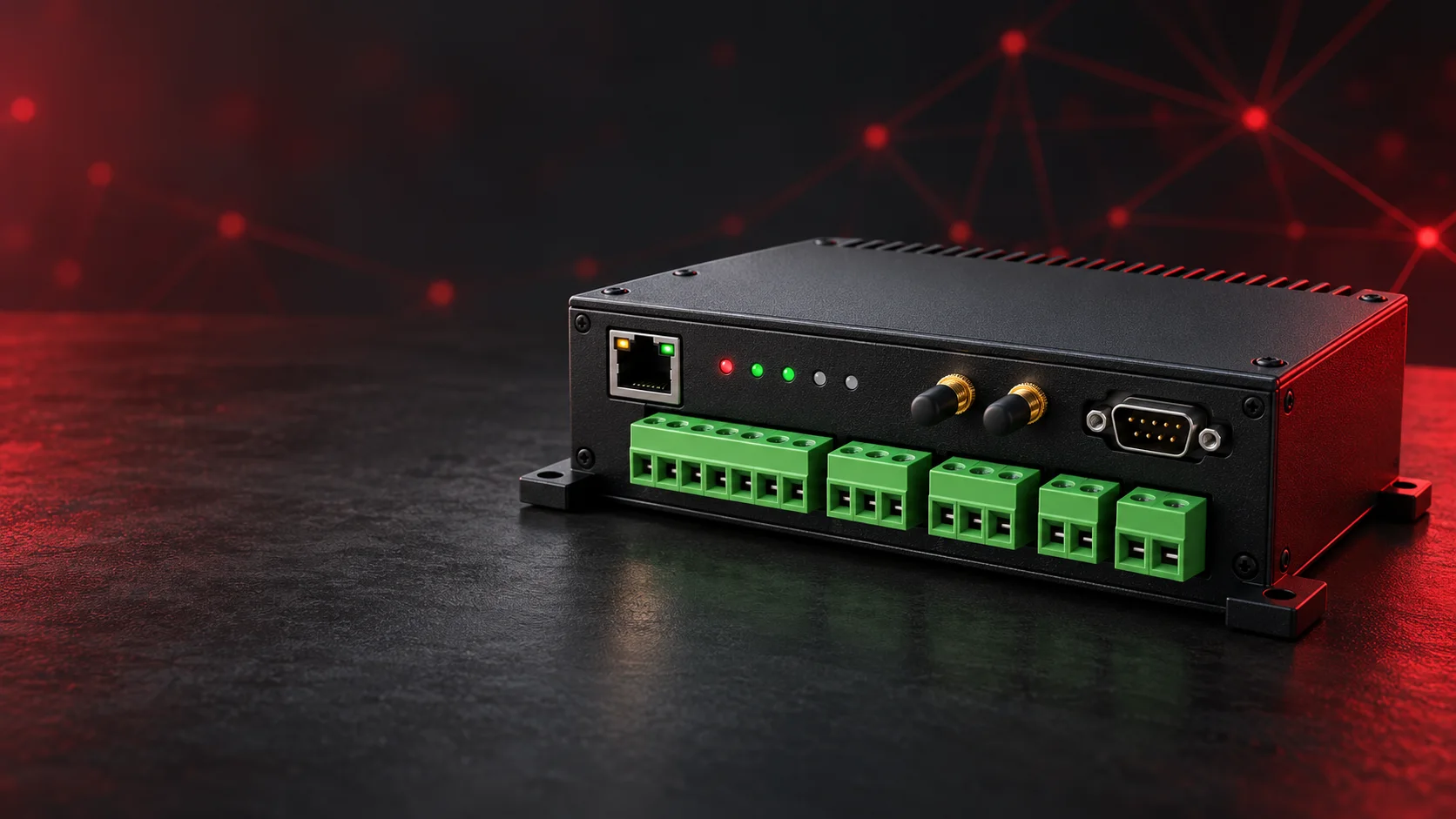
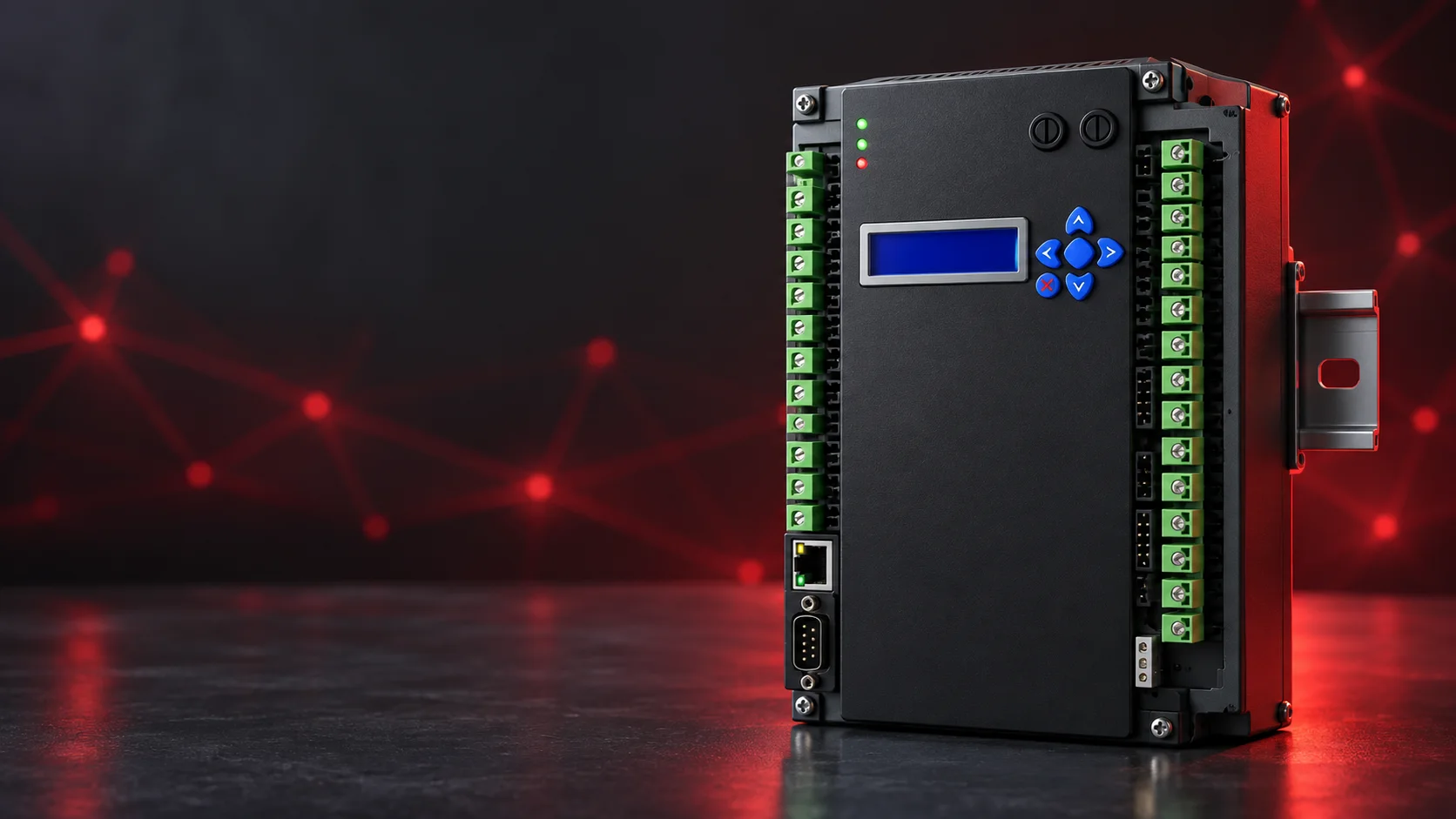
These conceptual renderings illustrate hardware roles. They do not establish product identity, specifications, or deployment status.
Technical FAQ
Understand the technical path.
What types of assets can be connected?
TiS3 can evaluate legacy and distributed equipment where project-approved sensing, power, networking, data, and operating constraints can be defined.
What role does the gateway play?
At a high level, the gateway bridges selected field signals into a managed data path. Exact protocols, controls, and boundary conditions are project-specific.
What happens to the data?
Approved data can be organized with device context and prepared for dashboards, alerts, analytics, integrations, or workflows appropriate to the environment.
How does TiS3 approach legacy equipment?
The evaluation begins with the asset, useful signal, environment, and decision—not with a universal connectivity promise.

Request Services
Connect the operating problem to the right capability.
Discuss a federal, technology, capability, teaming, or general business inquiry with TiS3.
Request Services