
Operational outcomes

Turn disconnected assets into visible, connected systems.

Improve asset visibility, remote monitoring, condition awareness, connected infrastructure, and data integration without assuming the physical asset must be replaced.

Request Services
Connected field vehicle and tracked assets in a remote operating environment
Conceptual website visualAsset visibility and remote equipment

Connected systems should solve operational problems.

TiS3 combines edge technology, connectivity, data and integration to help organizations gain useful visibility into physical systems and distributed environments.

Connected capability matrix

Five outcomes. One connected system.

Select an outcome to trace its role across the TiS3 model.

Selected outcomeAsset Visibility

Locate and understand selected asset state. Each layer is configured around the asset, environment, and approved decision path.

  • Asset Visibility: Locate and understand selected asset state.
  • Remote Monitoring: Reduce blind spots across distributed sites.
  • Condition Intelligence: Give trends and exceptions useful context.
  • Connected Infrastructure: Create a path for systems not designed to connect.
  • Enterprise Integration: Prepare approved field data for existing workflows.

Explore each capability.

Connected field vehicle and tracked assets in a remote operating environment

Know which asset you are looking at and what its information tells you.

Teams can’t act on assets they can’t identify. TiS3 starts with the assets that matter, ties each available signal to the right asset, and adds the context needed to support a decision. Available information depends on the asset, its data sources and the connection path.

Example: For distributed equipment, identity, available location information and reported state can be reviewed together to show which asset needs a closer look.

Start the conversation: Which assets need visibility? What information is available? Who needs the view, and what decision will it support?


Connected buildings and energy infrastructure monitored across a distributed site

Understand selected conditions when the asset is somewhere else.

Manual checks leave gaps between visits. TiS3 connects selected asset and site signals to a remote view, so teams have context between on-site observations. Power, connectivity and the operating environment shape what can be observed.

Example: At a remote station, selected site conditions and system-health information can provide useful context between visits. This does not imply continuous coverage, a staffed monitoring service or remote control.

Start the conversation: What is checked manually today? Which observations matter between visits? What power and connectivity constraints apply?

Connected industrial plant with condition monitoring

Put condition changes in context before deciding what needs attention.

A single reading and a trend answer different questions. TiS3 helps teams put selected condition data in context with the asset and how it operates, so they can prioritize what to investigate. Interpretation and response follow the equipment and the agreed operating rules.

Example: For a generator, available fuel, battery and operating-state information can be reviewed together to flag a condition for further review.

Start the conversation: Which condition changes matter? What history is available? Who decides when an exception needs attention?

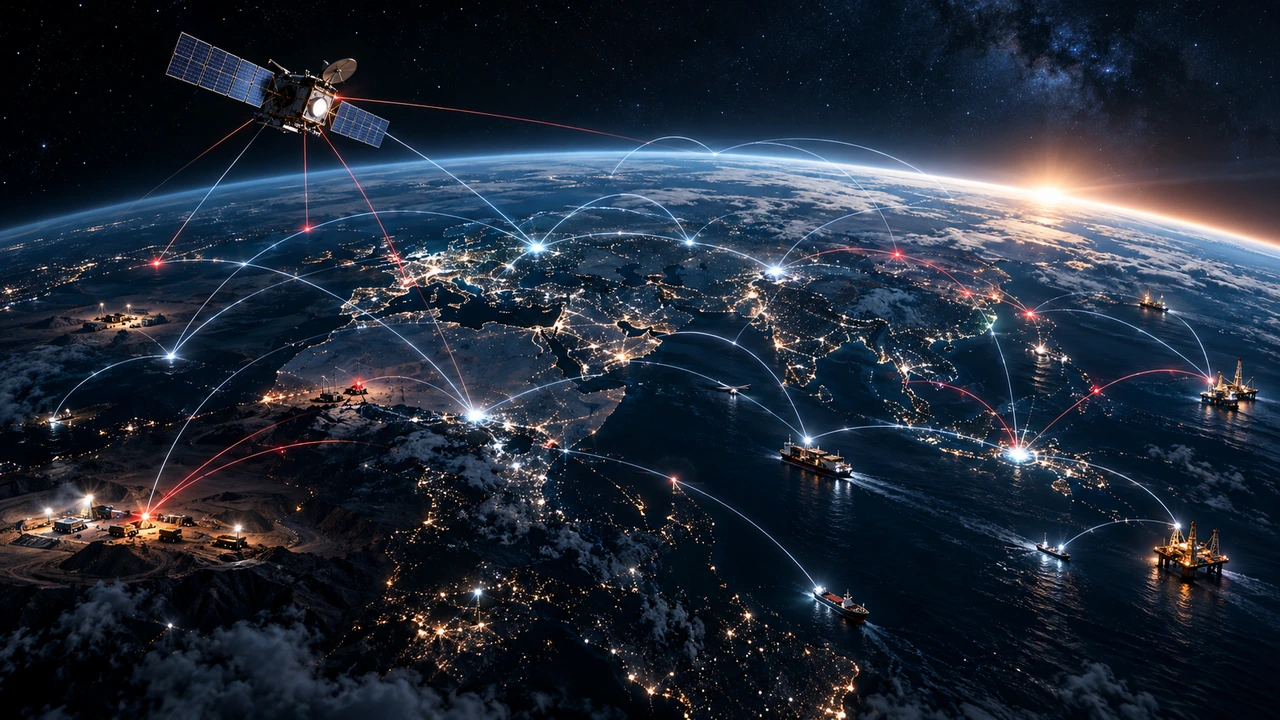
Connected infrastructure and satellite links

Define a path from existing equipment to usable information.

Many physical systems were never designed to connect. TiS3 maps the path from the equipment through the asset interface, edge layer, gateway or network and managed data path, and identifies where a connection is practical. Compatibility is assessed for each environment.

Example: For legacy industrial equipment, an available condition signal can be traced through the interface and connection steps needed to make it useful beyond the machine.

Start the conversation: What equipment is involved? Which signals or interfaces are available? What power, network and handling constraints apply?

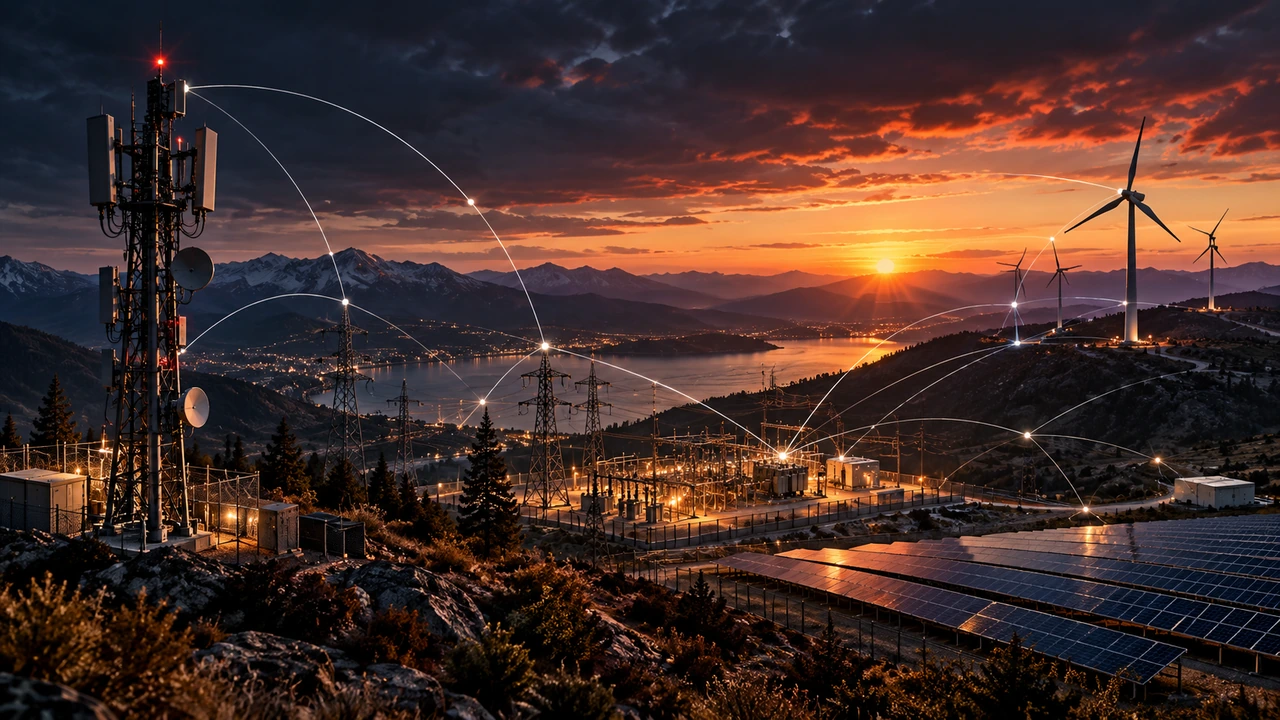
Telecommunications, power, and renewable infrastructure linked through a managed network

Connect useful field information to the people and systems that need it.

Field data only helps when it reaches the person or system that acts on it. TiS3 starts with the destination: who needs the information, which decision it supports and what that system can accept. Each connection gets a defined scope.

Example: A selected equipment exception can be shown in an existing operating view and passed to the person responsible for reviewing it.

Start the conversation: Which destination needs the data? What can it accept? Who owns access, interpretation and the next action?

Examples show how an evaluation can work. They are not customer deployments.

Evaluation pattern

Define the question before selecting the stack.

  1. Asset: What needs to be seen or managed?
  2. Signal: Which data is useful and supportable?
  3. Environment: What power, network, security, and operating constraints apply?
  4. Action: Who needs the result and what should happen next?

IoT as a bridge

From physical signal to usable action.

Security, identity, governance, and reliability span the complete path. Exact controls and approvals remain deployment-specific.

01—04 Connected system architecture

  1. 01

    Edge / Things

    Capture selected conditions from equipment, sensors, switches, or controllers.

  2. 02

    Gateway / Network

    Move field signals through managed connectivity appropriate to the deployment.

  3. 03

    IoT Platform

    Manage devices and prepare, normalize, integrate, and store data.

  4. 04

    Insights / Applications

    Present status, alerts, trends, analytics, and workflows to the people who act.

Security and governance span every layer. Specific controls and authorizations depend on the deployment.

Read the complete architecture explanation
  1. Edge / Things: Capture selected conditions from equipment, sensors, switches, or controllers.
  2. Gateway / Network: Move field signals through managed connectivity appropriate to the deployment.
  3. IoT Platform: Manage devices and prepare, normalize, integrate, and store data.
  4. Insights / Applications: Present status, alerts, trends, analytics, and workflows to the people who act.

Request Services

Connect the operating problem to the right capability.

Discuss a federal, technology, capability, teaming, or general business inquiry with TiS3.

Request Services
TiS3

Connecting physical assets, information, and operational decisions.

Nothing added yet.

info@tis3solutions.com · (571) 438-1055